Five Safety And Security Features Every Business Needs

You work hard to take care of your business day in, day out, so it’s important to make sure that you aren’t missing anything that could be compromising the security of your business and the building that you work from.

We may think our businesses are as safe and secure as they could be, but criminals are always evolving and developing new ideas that may be putting the security of your business at risk.

To ensure you’ve got all the measures in place to keep your business as safe and secure as you possibly can, here are five safety and security features that each and every business needs.

Access Control Systems

You don’t want just anybody to have access to your company building. While having a receptionist at your front desk may be able to catch out some unwanted visitors who may try to sneak through without signing in or stating the reason for their visit, this is never exactly foolproof.

In order to limit access of your building – and certain smaller areas within it – to your team and selected trusted visitors, an access control system is an incredibly important tool to have in place.

These systems include simple visitor management software, coded door devices and swipe-card entry systems, all of which will keep unannounced visitors behind closed doors until you’ve verified who they are and why they are entering the building. If you’re looking for an effective way to prevent just anybody from accessing the inside of your business, access control systems are certainly the way to do it.

Suitable Fire Extinguishers

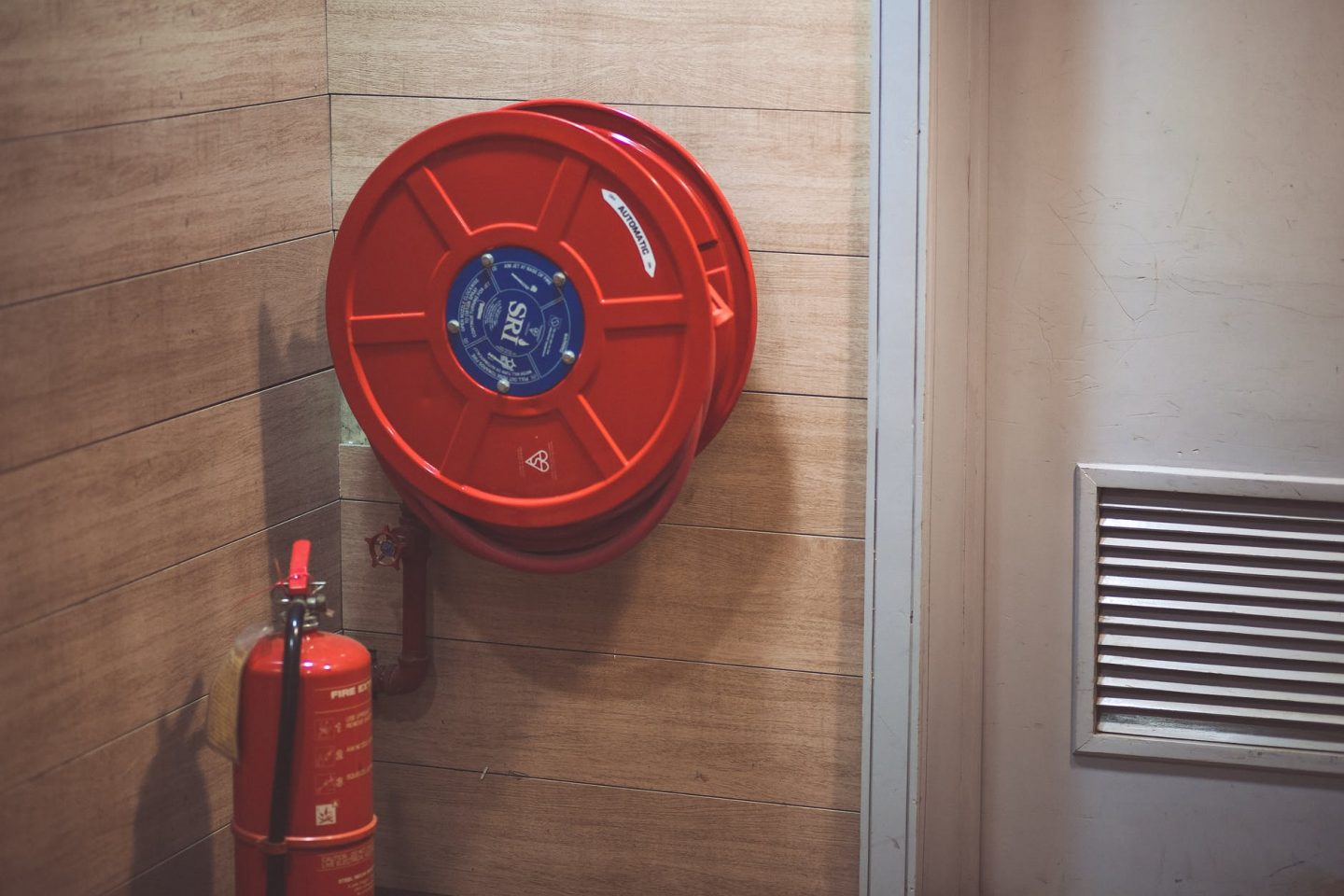
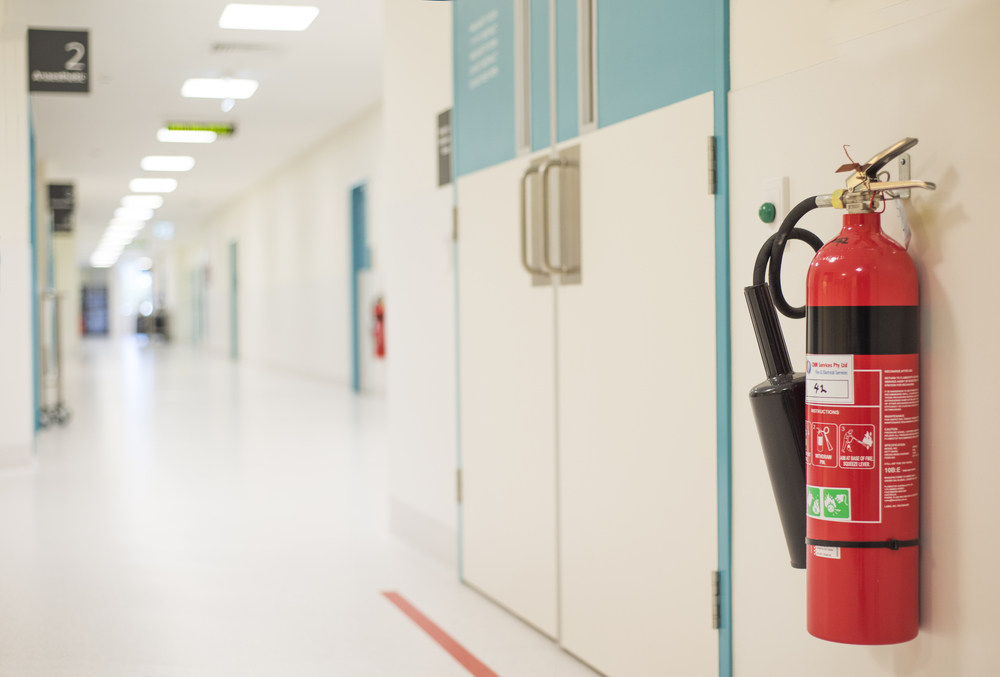
Fire extinguishers are more than likely already a mainstay of your company building, hopefully in multiple areas throughout. However, did you know that some fire extinguishers may be unsuitable for the area they are placed in or even entirely unusable?

In order to keep your fire safety measures up to date, it’s important to make sure that the fire extinguishers in place within your building are suitable for the areas they are placed in and that they do not need updating or replacing. For example, if you have a main office area within your building, there should be a CO2 fire extinguisher present, as this is the only extinguisher suitable for use on live electrical equipment. For maximum safety, there should be fire extinguishers present throughout the building where any fire risk has or may be identified.

To be safe, make sure to take a walk around your company building and double check that all areas are covered and that each fire extinguisher is suitable for use.

Intruder Alarms

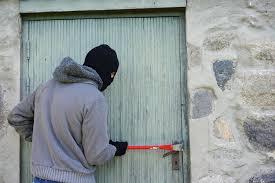
When you finish work and lock up your business for the day, you deserve the peace of mind that nothing might happen to compromise your business overnight.

By installing an intruder alarm system within your company building, you can rest assured that, if anyone gains entry to your business overnight, you’ll be immediately notified and be able to let the authorities know right away.

Intruder alarms also act as a deterrent in many cases – few burglars will target companies that are evidently prepared for such an eventuality, so even having an alarm installed will decrease the risk of anyone trying to gain entry unlawfully.

Intruder alarm systems can be installed to cover the entirety of your company building, being activated by motion sensors placed throughout. No part of your company building needs to be left unprotected, allowing you to rest easy each evening.

If you don’t have an intruder alarm for your business or haven’t had your current alarm tested for a while, this is certainly something to think about getting sorted as soon as you can.

Passive Fire Protection

Once a fire breaks out within a workplace, there is always one immediate objective in mind – getting all employees and personnel to safety as quickly as possible. The best way to ensure that you have plenty of time and space to do this is to install passive fire protection measures throughout your building.

Passive fire protection is designed to limit and control the spread of fire, heat and smoke throughout the company building, allowing the opportunity for anyone inside the building to evacuate safely. There are several different kinds of passive fire protection, including fire and smoke curtains, firewalls, structural steel protection, fire-proof partitioning, sealing systems and more.

When it comes to ensuring that your company and team are prepared to cope in the instance of a workplace fire, you can never be too careful – and the very same goes for the building itself.

If you’re unsure whether or not your building is equipped with passive fire protection, it’s certainly worth investing in some.

CCTV Systems

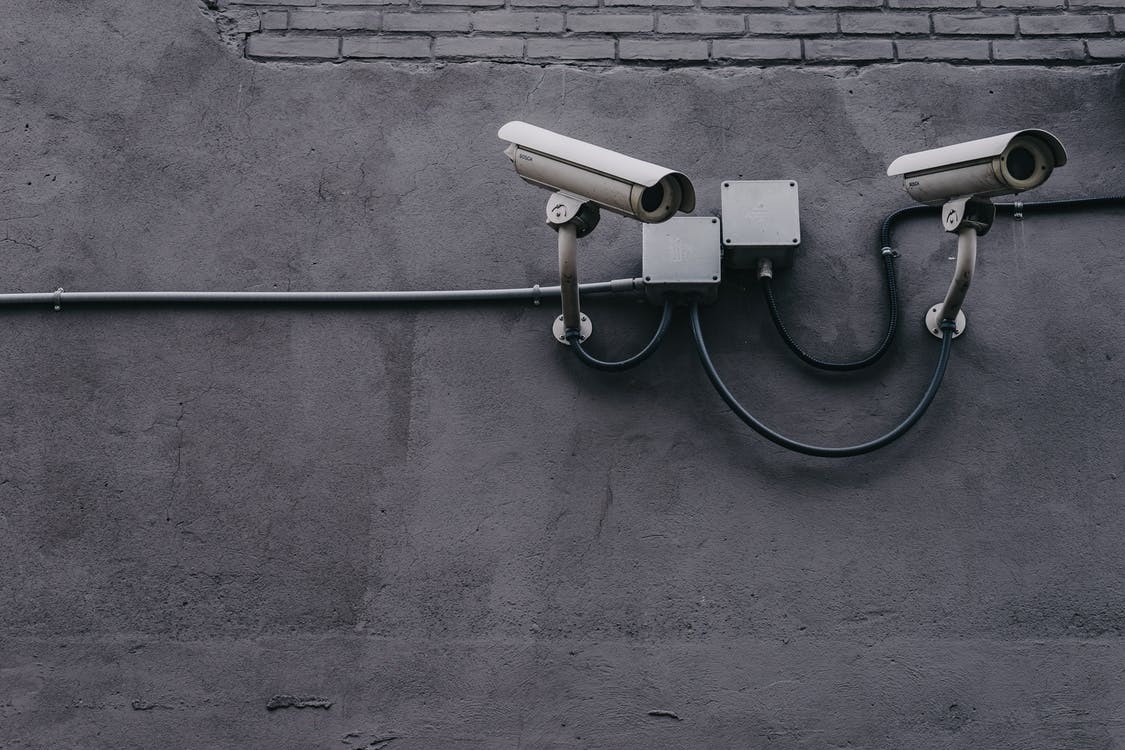
Perhaps an obvious choice and one which hopefully all businesses already have in place, CCTV systems are a key piece of equipment for keeping your business safe and secure.
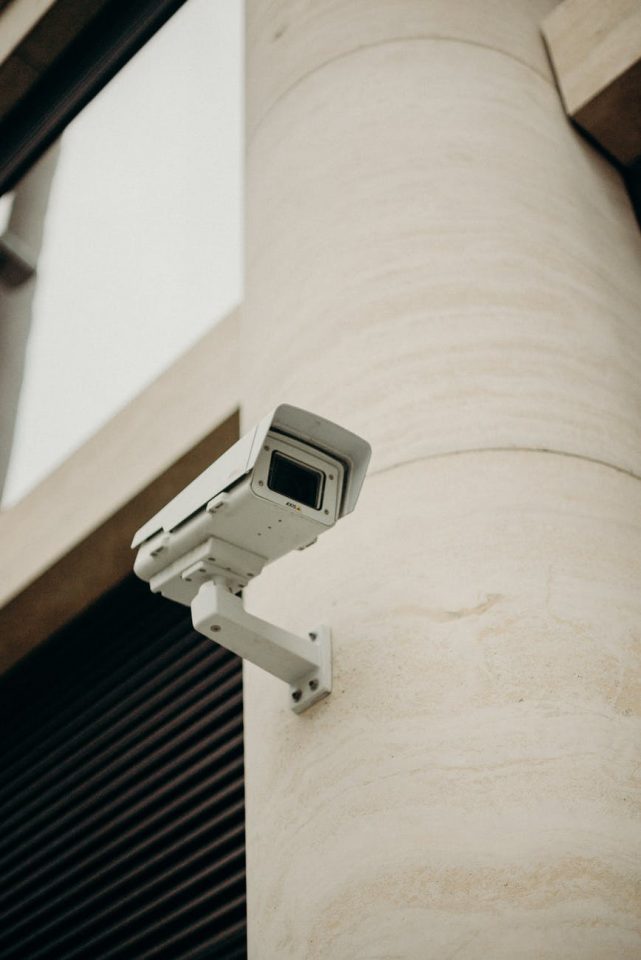
CCTV systems should be placed throughout your building for maximum coverage, allowing you to keep a close eye on everything going on in your business building at all times – and don’t forget to include some exterior CCTV, too.

One of the many reasons which CCTV is so crucial in protecting your business is that it acts as both a deterrent to burglars or intruders and as a means of obtaining evidence for the authorities in the event that the security of your business is every compromised.

In order to make sure that your CCTV is working effectively, be sure to have it checked professionally whenever you can, and to check each camera on your central security monitor each day.

Get In Touch

Here at Safe And Sound, we can assist you with each and every one of the safety and security features listed above. If your business is missing any, or you’d simply like us to check that your security and safety systems are all in good order, get in touch now!

Don’t risk it – keep your business safe and secure.​

Our Thoughts: Five Questions Every Employer Needs To Ask Their Staff About Fire Safety

Health and safety is paramount in every workplace and fire safety is just one incredibly important aspect of this. No matter what the nature of your workplace is, it’s your responsibility as an employer to make sure that each and every member of staff in your workplace receives proper fire training – especially since, with over 300 workplace fires occurring per week across 2016/17, workplace fires might be a lot more common than you think.


However, whilst fire safety training is incredibly important, it needs to be effective, too. To ensure that the training your staff have received has been taken on board properly and to give you the reassurance that, in the event of a workplace fire, fire safety procedures would be followed efficiently, there are some very important questions your staff should know the answers to. 


Here are five questions that every employer needs to ask their staff about fire safety in the workplace. 


Where Are The Fire Alarm Call Points?


In the event that a member of your team discovers a fire in the workplace, it’s crucial that they’re able to raise the alarm quickly to allow enough time for everyone to evacuate the building safely. To make sure this happens, every member of staff needs to know where the fire alarm call points are throughout the building. 


It’s important to check that staff aren’t just aware of the nearest call point to the central hub of your working area, but to every other area they might find themselves visiting during their working day. For example, where are the nearest call points to the toilets? Where is the closest call point from the kitchen? The stationary cupboard?


Make a clear list of each fire alarm call point in your workplace, their location in the building and which rooms they are closest to, and make sure that all staff are able to remember them. 


Where Is Your Nearest Fire Exit?


It’s unlikely that your workplace has just one fire exit, so all staff should be aware of the nearest fire exit in relation to wherever they may be at a time the alarm is raised. 


Again, one of the most effective ways to do this is create some form of resource for your team to look at and refer back to. Mark out the nearest fire exits to your main working area, cafeteria or kitchen, bathroom, etc., give a copy to all team members and display a copy in a commonly visited area. 


After all, if all staff head for the same fire exit during a fire, no matter where they may be in the building at the time the alarm is raised, you could find your evacuation procedure slowing down and even leading to casualties. 


You should also make sure that every staff member is mindful of not blocking the fire exits in any way, with boxes, rubbish or furniture items. They should always be clear and ready to open.


What Is The Evacuation Procedure?


It’s important to make sure that your staff are aware of what your workplace evacuation procedure is, from the moment the alarm is raised to the moment they are allowed back into the building.


The best way to do this is to look very carefully at the plan you have in place and see where it can be improved. Do you have elected fire marshals, staff who are in charge of retrieving first aid kits and evacuation chairs and staff who are in charge of doing a roll call of the team once they’ve left the building? Is there a particular place where all staff should go to stand – an area of the nearest car park, etc.? 


After you’ve built a clear and easy-to-remember plan for your evacuation process, relay this to your team and make sure that they’re able to remember what to do in the event of a fire. You should also rehearse the procedure with them every so often through fire drills and test evacuations – this should be done at least every three months. 


Where Are The Fire Extinguishers?


In the event of a small fire, your staff should know how many fire extinguishers there are in the building and where they are placed.


As an employer, you are responsible for ensuring that the fire extinguishers are strategically placed so that they are where they will be the most useful – for instance, not in an area where a fire is likely to break out, but close enough to that area for a staff member to retrieve them. You should also make sure you’re checking often that your fire extinguishers are in date and safe to use. 


When – And How – Should A Staff Member Use A Fire Extinguisher?


It’s crucial to make sure that your staff don’t simply know where the fire extinguishers are, but how to use them too. 


There are, of course, different types of fire extinguishers depending on the type of fire they are used to put out. If you have multiple kinds of fire extinguisher in your workplace, make sure that your staff members are well aware which kind of fire extinguisher is used in accordance with which type of fire – dry powder for use on electrical fires, CO2 on class B flammable liquids, etc.


It’s also important that your staff know that they should only use a fire extinguisher if they feel confident and competent enough to do so – otherwise, they should simply raise the alarm and evacuate.


Asking these questions to your staff will allow you to gauge just how effective your fire training has been, create useful resources and will allow you to further improve your fire training procedures. Making sure that your team are confidently able to answer these questions will leave you with the peace of mind that your workplace can cope diligently in the event that a fire does ever break out in the building – and could, in turn, help to save lives. 

What to Do if There is a Fire in the Workplace

Though being caught in a fire is something we never imagine will happen to us, nor something we ever want to think about, it is vitally important that you know how to act and what the correct safety measures and precautions are should this ever happen. Knowing what to do in the event of a fire could save your life as well as others. 

A fire can occur at any time and in any environment. Therefore, fire safety can vary from one setting to another. For example, the precautions you take may differ slightly from having a fire at home, to if you were in the workplace. 

In this blog we wanted to focus on safety tips and precautions that you should follow and adhere to in the event of a fire in the workplace. Fires can’t always be prevented, so here’s what you should do if you notice a fire start in your place of work.


  1. Raise an alarm

The amount of people in a workplace varies from one place to another. It is paramount that if you notice a fire in the workplace, no matter how big or small, you raise the alarm so that everybody in the building is aware and can evacuate safely. Fires can spread incredibly quickly, so it is important to raise the alarm as soon as you possibly can. Raising the alarm is the first thing you should do if there is a fire in the workplace.


  1. Call for help

After you have raised the alarm internally, you should call 999 for help. Unless the fire is very small and manageable and you have somebody around that is trained to use a fire extinguisher and put it out, you should call the emergency fire service and alert them immediately so that they can come and put it out safely.


  1. Evacuate via the nearest fire exit

It is a universal rule that in the event of a fire you should evacuate via the nearest fire exit. In the workplace you should know which fire exit is your closest, and where the next one is if this is blocked by the fire. After raising the alarm you should evacuate carefully, calmly and safely. If the fire and smoke is bad, you should crawl along the ground as the oxygen will be cleaner lower down. 

You should never stop to collect any personal belongings when evacuating during a fire. This can take up valuable time in your evacuation and can be very dangerous. Furthermore, you should never use the lift in a fire, as this could break and therefore trap you in the building. As well as this, you should try to keep fire doors shut as you pass through the building as this helps to contain the fire and stop or slow down the spread.


  1. Stay calm

Although it is easy to become alarmed and panicked in a fire, you should do your best to stay calm. If you panic this may hinder your exit and you need to get out of the building as safely and calmly as you possibly can. Remaining calm will help you to do this. 


  1. Meet at your fire assembly point

Once you have evacuated the workplace, you should meet at your designated fire assembly point. This will be in a safe area away from the building and will enable you to do a headcount of your staff and ensure that everybody is there. You should not re-enter the building under any circumstances, if you realise anybody is missing you should make the firemen aware of this so that they can try and get them out of the building safely.

CCTV Systems Glasgow and Edinburgh

Here at Safe & Sound Fire Ltd, one of the services we provide is high security CCTV systems to properties throughout Glasgow and Edinburgh. This allows you to monitor your property 24/7 and therefore keep yourselves along with your valuable possessions and belongings, safe. Furthermore, these modern high tech CCTV systems can be monitored and accessed from wherever you are in the world. This means that wherever you may be, you can monitor your property and ensure that it is safe.

Investing in a high quality CCTV system is a great way to keep your property safe and secure, as well as provide you with peace of mind in knowing that your property is being monitored at all times. As this is something we highly recommend to all of our customers throughout the areas of Glasgow and Edinburgh, we thought we would talk about a few reasons why this could be something for you to consider…

High security

The primary reason that people have CCTV systems installed on their property is for the added security. This system will monitor your property at all times, and therefore detect anything and provide evidence should there ever be any criminal activity. Furthermore, we are always on hand as your provider to assist you should there ever be any problems with your CCTV system.

Having a CCTV system puts you in complete control of your property and provides you with much more security. Furthermore, CCTV systems are suitable for any kind of property, whether this is a commercial or business building, or your own home.

Peace of mind

Another thing that CCTV systems are great for is offering you peace of mind. You can rest knowing that your property is being monitored 24/7, and that this is also visible so as to deter any potential criminals or trespassers. Furthermore, being able to access the CCTV system from wherever you are in the world means that you can always look and check and get peace of mind from knowing that your property is safe.

Criminal deterrent

Some people actually get dummy CCTV cameras on their property purely for the purpose of being a deterrent for criminal activity and trespassers. Generally, if someone is planning to trespass or conduct any criminal activity within a property, but they see CCTV cameras, this will put them off and usually prevent them from even attempting anything.

CCTV systems are visible and so are an effective deterrent to crime. Burglary is the most common form of crime to both households and commercial properties, however with CCTV cameras installed, this often significantly reduces the risk of it happening on your property.

For more information or if you are interested in having a CCTV system installed on your property, simply get in touch with us via our contact page and we will be more than happy to help.

Why Staff Training is Important

As part of our service here at Safe & Sound Fire Ltd, we provide fire safety training courses to businesses. This ensures that the business is meeting all health and safety regulations and that all staff are fully trained and aware of the necessary safety procedures. Furthermore, it is so important that all members of staff know how to act in the event of a fire and what they need to do. Therefore, this training is vitally important to any business or organisation and it is something that we would strongly advise you to look into and book. 

Another element of our staff training covers all bases of how to prevent a fire from starting. This means that employees are trained not only to know how to act in the event of a fire, but also how to use extinguishers and fire safety equipment along with knowing how to reduce the risk of a fire starting. 

As staff training is so important to every business and organisation, we wanted to explain why and sort of things the training covers.


Ensuring that you are meeting legal responsibilities under current Fire Safety legislation

It is the law for all business owners and workplaces to comply with the fire safety law. This is a key factor in health and safety in the workplace and as an organisation it is essential that you are meeting legal responsibilities under the current fire safety legislation. With our staff training, this is something we are able to assess and advise you on in order to ensure that you are complying and meeting these responsibilities. 


Training staff so that they are prepared in the event of a fire

As a business owner it is your responsibility to ensure that all of your staff are fire safety trained. This can be easily arranged by getting in touch with ourselves to book some training. Furthermore, you must ensure that all staff members are aware of the fire safety procedures such as what to do in the event of a fire, where their nearest exits are and where the fire assembly point is.

Furthermore, your staff members should also be trained on the different types of fire extinguishers, and which types of fires each extinguisher should be used on. This prepares them so that if they are able to tackle a small fire, they know which extinguisher or method to use so that the fire can be contained or put out and therefore it will lessen the impact and potentially prevent a big fire from breaking out. This type of training should be given to all new starters but existing staff should also be regularly reminded.


Inspecting your fire suppression systems

As part of our staff training, we will carry out inspections of your fire suppression systems. This is to ensure that the system is working properly and sufficiently so that the building and staff are protected in the event of a fire. It is a legal requirement for public buildings like workplaces to have fire prevention systems like this in place and working, and so we are here to ensure that you are meeting the regulations. Maintenance is key in ensuring that your fire suppression system is working properly.


Why staff need to have fire training…

Ultimately, all staff need to be fire safety trained in order to stay safe and potentially even save lives. Though fires in the workplace are unlikely, it can happen, and it is vital that your staff are trained on how to act if ever a fire does occur. These training programmes cover all aspects of everything that your employees need to know. This helps to protect all of your staff as well as the premises.

For more information or if you would like to book some staff training, simply get in touch with us via our contact page and we will be more than happy to help.

Types of Fire Signage and What They Are Used For

Fire safety is quite complex as there is so much to it. It is so important to ensure safety everywhere regarding fire, and therefore all bases have to be covered. Fire safety is built up of all different kinds of elements, and one of these is fire signage. The most common of these being fire exit signs, however there are several other types of signs you will find that are put in place in order to ensure complete safety. 

As this is such an important part of keeping safe in the event of a fire, we thought we would tell you about the different types of fire signage and what they are used for. 


Fire Exit

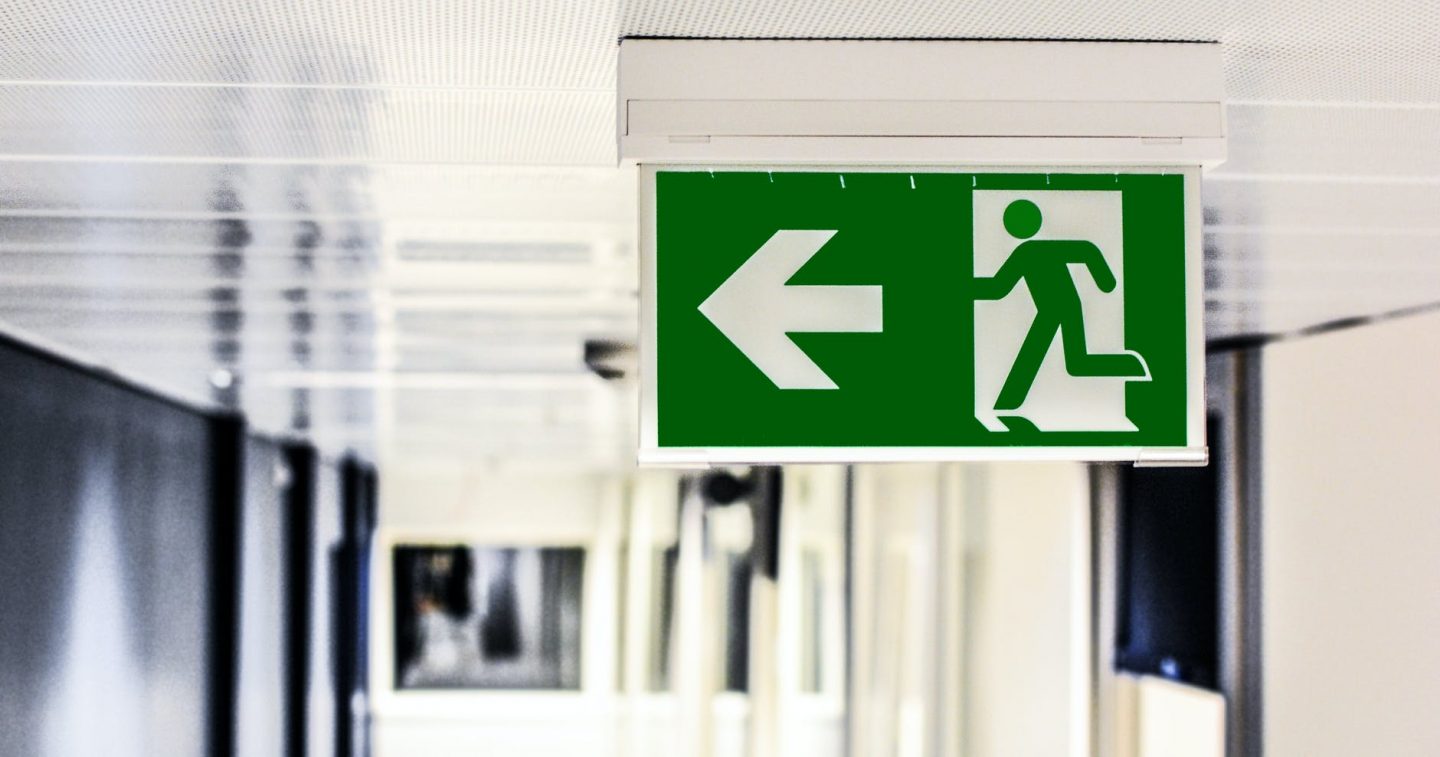
It is a legal requirement for all public places to have fire exit signs located throughout the building. This indicates to people where their nearest exit is, and is also always lit so that in the event of a fire it is still visible for people to see and find their way out to safety. It is essential to have fire exit signs in public places for the safety of everybody in there. 


Fire Door Keep Shut

This is another of the most common types of fire signage. These signs are in place to remind people to shut doors so that in the event of a fire, the spread is as minimal as possible. Therefore, these signs are incredibly important as they can save lives. You will usually find these used all throughout the building so that if any fire does occur, it should be contained to one room or area.


Fire Exit Keep Clear

A fire exit in any building must be kept clear at all times. This is why you will always find these signs on the back of fire exits, so that the exit is never blocked. In case of an emergency people need to be able to use the exit to get out of the building immediately, therefore it is a legal requirement that these exits are never blocked.


Fire Door Keep Locked

Similarly to the sign for fire exits being kept closed, it is important for fire doors to be locked so that they do not open themselves and therefore are secure and doing the right job. Furthermore, with most fire doors, they are designed to be fire resistant, therefore they can prevent a fire from spreading through.


Automatic Fire Door Keep Clear

Automatic fire doors must be kept clear at all times so that they are able to open and close when required to do so without any sort of interference. Again, this is something that must always be followed, as it could hinder the safety of people if the door is blocked and cannot operate properly. 


Automatic Fire Door Close at Night

In public places such as hotels for example, you will often see signs stating that the automatic fire doors should be closed at night. This is because there could be a delay in response if a fire happens during the night. Therefore, these automatic doors would be closed and prevent the fire from spreading and putting people in even more danger. 


This Fire Door Will Close Automatically When Fire Alarm Sounds

Some automatic fire doors are synced up with the alarm system so that when the fire alarm sounds, the fire doors close automatically. This helps to keep it safe and minimise the spread. The sign is important to have as it warns people in the building. 

For more information or if you would like to speak to us about fire signage for your property, simply get in touch with us via our contact page and we will be more than happy to help.

How an Intruder Alarm System Will Protect Your Property

Intruder alarm systems are a very worthwhile investment for any property, whether that is your home, or a business or workplace. The purpose of these alarms is to alert you of any unauthorised entry and to also deter any potential intruders. This means that they are the perfect system to keep your property safe and protected. 

Because intruder alarm systems are a great way to protect your property and ensure that it is monitored at all times, we believe it is a great investment and that every property should have one of these systems, especially if you are a business with lots of valuable equipment and confidential information. So, we thought we would tell you a little bit more about the benefits of having an intruder alarm system, and explain how this will protect your property…


Your property is guarded at all times

With an intruder alarm system in place, your property will be protected at all times. It detects any sort of activity so that trespassers will be picked up straight away and you will be alerted of anything unusual. It is a highly effective security system that protects your property 24/7 and also deters criminal activity.


It gives you peace of mind

Having an intruder alarm system in place gives you peace of mind that your property is safe and protected at all times. This means that when you are not in the building, whether this is your own personal home or your business building, you do not have to worry about any intruders and you can have peace of mind in knowing that anything unusual will immediately trigger the alarm system. Furthermore, if you have an intruder alarm in your home, it means you can have a peaceful night’s sleep knowing your house is safe and you will be alerted if anybody tries to break in.


It prevents theft and break-ins

The main purpose of intruder alarm systems is to prevent all criminal activity that we worry about both in our personal homes as well as our workplaces. The great thing about intruder alarms is that they detect unusual activity immediately, meaning that if someone is trying to enter the building who shouldn’t be, it will set the alarms off straight away which will as a result, warn off the intruder and prevent criminal activity. 


Your insurance will become lower

Having an intruder alarm system hugely minimises the chances of robbery, damage or criminal activity at your property. Because of this, your insurance premium will go down significantly, meaning that you will save a lot of money. Therefore, having an intruder alarm system is great for many reasons, as it will save you money in the long run, and it will also keep your property safe for many years to come.

The Purpose of Passive Fire Protection

In commercial and public buildings, it is a legal safety requirement to have fire safety measures in place. This includes things like fire exits, extinguishers, and some buildings also require special equipment and materials made to prevent fire from spreading. It is safety measures like these that save lives, and so we urge you to consider what sort of fire protection is best to make your building safer. 

One fire safety measure that we strongly recommend, is Passive Fire Protection. The main purpose of this is to delay or prevent fire from spreading, as well as smoke, to allow time for evacuation and increase the chances of emergency responders arriving in time to get it under control and minimise the extent of the damage. As it is something we recommend and provide to our customers, we thought we’d tell you a little more about it…


What is Passive Fire Protection?

Passive Fire Protection comes in various forms. Ultimately, it is the fire safety measures put in place in a building to stop a fire from spreading and minimise the impact of it. Examples of this include: Fire doors, structural steel protection, fire walls and partitioning, cavity fire barriers, and fire and smoke curtains. All of these things are designed to prevent fire spreading through the whole building in order to give time for people to evacuate safely.


Why you need Passive Fire Protection

The Fire Safety Legislation states that fire safety within the premises is the sole responsibility of the building owner. This means that it is down to them to ensure that all legal requirements are being met, and that the building is as safe and fireproof as it can be. Building owners must carry out a Fire Risk Assessment, whereby they test whether the fire safety measures in place are adequate and meet the requirements. 


How Passive Fire Protection could save lives

In the event of a fire, one of the most dangerous things is how fast this can spread throughout a building. Therefore, this is why we urge you to invest in specifically designed fire resistant materials for your building, so that this can prevent, slow down and minimise the spreading of a fire. Passive Fire Protection measures are made solely for this purpose. In the event of a fire, this will prevent both the fire and smoke from spreading so that it is detained to one area or room, in order to allow time for people to get out of the building and for emergency responders to get it under control. 

Furthermore, as Passive Fire Protection also stops smoke from spreading, this minimises the risk of smoke inhalation to those inside the building. Without fire safety measures such as these, outcomes can be fatal and have much more severe consequences. Installing Passive Fire Protection increases safety and reduces risk.

For more information or advice or if you would like to speak to us about putting some Passive Fire Protection measures in place, simply get in touch with us via our contact page and we will be more than happy to help.

Types of Fire Extinguishers: All You Need to Know

Although all fires might look the same, every fire is in fact different, and this depends on the cause of the fire and the area or location it is situated in. As there are different types of fire, this calls for different methods in order to put them out. Because of this, there are actually various types of fire extinguishers available, and it is important that you are aware of them and know what each of them are used for, so that if you are ever in a scenario where you need to stop a fire, you know the safe and correct way to do so. 

All in all, there are a total of five different types of fire extinguishers that we use in the UK. it is vitally important to know which type to use on a fire, because if you use the wrong one, this can be incredibly dangerous and make matters a lot worse. So, we thought we would tell you about each of the different ones and how they should be used…


Water extinguisher

Water extinguishers go by the colour code red. They are used on wood, paper, textiles etc. and cannot be used on flammable liquid or live electrical equipment. This means that they are only suitable to be used on solid combustibles. As water is of course a conductor, it is vitally important that you never use these extinguishers on any electrics, as it will cause the fire to become much worse and you can put yourself in a lot of danger by doing so. 


Foam extinguisher

Foam extinguishers are the most common type of fire extinguisher that you will find. The colour code for these is pale yellow, and you will find this on every foam extinguisher as with all other types of extinguishers to enable you to differentiate. Similarly to water extinguishers, foam can be used on wood, paper and textiles, however can also be used on flammable liquids. You must not use foam on any live electrical equipment. When used in the correct scenario, foam extinguishers are highly effective in putting out fires and stopping them from reigniting. 


Powder extinguisher

Powder extinguishers have the colour code blue, and are compatible with just about everything, meaning you can use them on most types of small fires. You are able to use them on wood, paper and textiles, flammable liquids, live electrical equipment, and gas fires. Although powder extinguishers are highly effective and great for putting out any type of fire, it is recommended that you use them outdoors as opposed to small confined areas to avoid powder inhalation.


Carbon dioxide extinguisher

You will find carbon dioxide extinguishers with the colour code black. Quite the opposite to water and foam, carbon dioxide fire extinguishers are used on flammable liquids and live electrical equipment, but cannot be used on wood, paper and textiles or flammable metal fires. Furthermore, you also should not use these in small confined spaces, as this can be harmful and dangerous to you. These extinguishers are the best tool to put out electrical fires.


Wet chemical extinguisher

Wet chemical extinguishers are colour coded bright yellow, so you can clearly differentiate this from foam extinguishers. They are to be used on wood, paper and textiles along with cooking oil fires. They are specifically designed for fires in the kitchen involving cooking oil and fat. They should not be used on substances including petrol, diesel and paint. 

If you would like to know more, please don’t hesitate to get in touch with us via our contact page and we will be more than happy to help.

How Installing CCTV Will Keep Your Property Safe

Quite often, CCTV is more associated with use within commercial buildings and public places, as opposed to on your own private property. However, there are lots of benefits to having CCTV installed at your home, especially around the ways it will help to keep your property safe and protected. Having CCTV means that your home, as well as your belongings, are monitored at all times. This helps to make you and your family feel more safe and secure. 

Here are a few ways installing CCTV will keep your property safe…


Everything is monitored

CCTV operates 24 hours a day, seven days a week. This means that everything in sight of the cameras are monitored constantly. Whether this is particular belongings, or simply just your front door. CCTV keeps everything in check and enables you to look at footage from any time if any belongings go missing or if there is anything you are suspicious about.


You can access the system from anywhere

Technology has now become very advanced, and this means that you are able to access your CCTV system from wherever you are in the world, generally via your mobile phone. Not only is this very convenient and simple to use, but it is ideal for when you are not at home. The times you are out of the property are arguably the times where it is most important to keep a check on everything and be aware of any suspicious activity. This easy access will enable you to view your CCTV system and look at any part of your property, whenever you would like. 


It’s a crime deterrent

Having CCTV is often a deterrent for antisocial or criminal behaviour. Anyone who has intention of breaking into your home or any sort of crime, will most likely be put off if they can see that they are being watched. Sometimes, people actually have dummy CCTV cameras fitted at their homes simply for this reason, so that it warns off any bad behaviour and stops people attempting to break into the house. 

Although CCTV tends to deter burglars, in the unfortunate event that somebody does attempt to break into your house – whether successful or not – you will have the footage of them and therefore be able to take further action and get them caught. 


You can check up on your property if alerted to do so

Home CCTV is even better if you have burglar alarms too. Nowadays, you can set it so that you will receive a notification to your phone if your burglar alarm goes off at home. This goes perfectly hand in hand with CCTV, as it means as soon as you receive an alert to your home and you are out of the house, you can immediately check CCTV footage of your house to see if there is anything unusual or antisocial happening. If the footage was to show someone attempting to break in for example, you could then alert the police, and you would also still have the footage as evidence.

For more information and advice or if you would like to speak to us about having CCTV installed at your property, simply get in touch with us via our contact page and we will be more than happy to help.

Posts navigation