Fire Safety for Children: 7 Tips to Help Them Learn How to Stay Safe

Every parent wants their child to be safe and secure, and while we watch them rough and tumble at the playground and guide them through riding a bike, there are plenty of more serious situations that so many of us overlook preparing for, such as what to do in the event of a fire. 

As a parent, it’s your responsibility to educate your child on fire safety and to instil the knowledge and skills they need to stay safe. These are life-long skills that could save their lives, so it’s worth thinking about how you will do it.

Fortunately, we’re here to make it easy. With these seven tips, you can help your child learn about fire safety and ensure that they’re prepared in the event of an emergency.

#1 – Teach Fire Safety Basics

The first step in teaching your child about fire safety is to educate them on the basics. Once they understand the fundamentals, you can start to move on to the more complicated things.

Explain what fire is, how it starts, and what it can do. Teach your child to recognize the signs of a fire, such as smoke, heat, and flames, and to stay clear of these dangers. Also, talk about the hazards, which include;

  • Unattended cooking, hot pots and stoves, and overhanging handles
  • Loose electrical cords that children may pull on electrical cords
  • Portable heaters and radiators and the dangers of fabrics near them
  • Candles and open flames and why it’s important to be slow and safe around them
  • Matches and lighters and how it’s important to never play with them
  • Fireplaces and how children should never really go near them
  • Overloaded electrical outlets and how you should never insert too many plugs into an outlet

You may also want to teach your child to call 999 in the event of a fire and to evacuate the building as quickly as possible, and where your building or family meeting point is.

#2 – Make a Home Fire Escape Plan

It’s too late to have your kids know what to do and where to go if you’re in an emergency situation. Do they bring their belongings with them and grab their favourite toy when they need to get out of the house?

Of course not, but your children don’t know that unless you’ve told them. 

Teach your kids what they need to know by creating a fire escape plan with your child and practising it regularly. This is one of those things you hope you never have to use but will be so thankful you spent time on it if you ever find yourself in the worst-case scenario.

Make sure your child knows how to evacuate the building, where to meet outside, and how to call for help. Explain that in the event of a fire, they should not stop to grab anything but should evacuate the building immediately.

And don’t forget that this applies to when they’re out as well, whether it’s at school, in a bowling alley, or a shopping centre.

#3 – Teach Fire Safety Rules

Teach your child about the rules for fire safety, including the importance of not playing with fire, not leaving appliances or lights on, and not blocking exits. Explain the dangers of fireworks and matches, and teach your child never to touch these items. All the basics.

#4 – Practice Fire Drills

Conduct fire drills at home to help your child get used to the process of evacuating the building. 

Encourage your child to take the drills seriously and to follow the fire escape plan. After the drills, discuss with your child what they did well and what they could improve on.

Your kids will be doing this in school drills throughout the years, so you can always tie your own home drills in at the same time while the topic is fresh on their minds.

#5 – Install Smoke Alarms

Install smoke alarms in your home and explain to your child what they are and how they work. It’s always a good idea to teach your child the importance of not touching or tampering with smoke alarms. 

Also, make sure you check them regularly to ensure that they’re working correctly.

#6 – Discuss Real-Life Scenarios

Kids love to roleplay, so what better way to teach them how to be safe during a fire situation than roleplaying what would happen? 

You could say there’s a fire on the stove, and everyone is in the kitchen. What do you do now, and where do you go? This is a great way to make sure everyone understands what to do, and you can address any potential problems as they come up.

You may also want to teach skills that help them deal with situations like if their clothes catch fire, if they’re trapped in a room, or if they cannot evacuate the building.

#7 – Educate Them on Firefighters

Finally, educate your child on firefighters and their role in fighting fires. 

Take your time to explain that firefighters are trained professionals equipped with the tools and skills to help keep people safe. Explain that firefighters are there to help in the event of a fire and that they should never be afraid to ask for help.

It’s what they’re there for. If you have fire safety days at your local fire station, it’s well worth attending.

Conclusion

It’s important to educate your child on fire safety as an essential aspect of being a parent. 

With these seven tips, you can help your child learn about fire safety and ensure that they are prepared in the event of an emergency. 

And if you’re looking for more advanced and reliable ways to protect your home, check out our services here at Safe and Sound Fire Ltd. We offer all kinds of fire safety measures and professional advice, including supplying fire alarms, camera systems, fire extinguishers, and much more.

Get in touch today and see what we can do for you and your home, school, or local area.

How to Invest in your Office Safety Effectively in 2023

As we move into 2023, it’s important to look at some of the best ways to invest in office safety. This is an area that should not be neglected, as it can help keep your employees safe and your business running smoothly.

In this guide, we’ll discuss some of the most affordable ways to boost office safety in the new year, helping you make your office safer while staying within budget. Let’s get into it.

#1 – Work on Communication

The foundation of any office’s safety culture is its approach to communication. 

You must ensure your employees are aware of the different safety protocols and procedures, so they can follow them correctly. Make sure to provide regular training sessions and fire drills to ensure everyone knows how to react in an emergency situation.

You should also have an open-door policy when it comes to safety concerns, allowing employees to raise any potential issues they may have. This will help create a culture of safety that helps everyone feel secure in the office.

You should absolutely avoid creating shame or tension because an employee has raised a safety concern. The more openly everyone can talk about the issues and take on board consistent training, the better and safer your workplace will be.

#2 – Teach People Situational Awareness Skills

Situational awareness is key for office safety, and everyone should be aware of their surroundings. This means making sure fire exits are clearly marked and people are on the lookout for potential issues that they can solve there and then, such as a desk blocking an exit or a fire alarm that looks damaged.

So often, accidents and problems can be avoided when people are paying attention while operating within a specific space. You just need to train people to know what to look for, how to voice their concerns, and the process for getting an issue sorted.

#3 – Invest in Fire Safety

Fire safety should always be a top priority in any office space. Investing in fire prevention and fire suppression measures is essential for protecting your employees and your property.

You’ll want to make sure all fire exits are clearly marked and unobstructed at all times. This can help ensure everyone knows where they can go in an emergency. You’ll also want to make sure fire alarms are in working order, and any fire extinguishers are inspected regularly.

#4 – Make Sure You’re Meeting the Regulations

While red tape can be frustrating for any business, it’s important to make sure you’re meeting the regulations set out by fire safety authorities, in this case, the UK government. Make sure your fire risk assessments are up to date, as well as your fire safety certificates and legal documentation.

These safety regulations are in place to keep everyone safe, so they should be taken seriously and adhered to.

#5 – Show Your Employees You’re Investing in Their Safety

Investing in office safety is about more than just problem prevention – it’s also about making sure your employees feel safe and valued. Show them you’re taking their security seriously by investing in fire safety courses and other training sessions.

This will help create a safety culture that everyone in the office can get behind.

Investing in office safety is key to running a successful business in 2023. By following the above steps, you can ensure your office is as safe as possible while staying within budget. So take these tips on board and make sure you’re investing in your office safety effectively this year.

Ready to take your fire safety seriously?

Schedule a consultation with our experts here at Safe and Sound Fire LTD, as we can help you ensure fire safety in your office and comply with fire regulations. Our team can provide fire risk assessments, fire safety training courses and more – get in touch today to find out how we can help you.

The Importance of Fire Safety in UK Offices

Did you know that there are around 22,000 fires in commercial properties every year in the UK? Fires can cause extensive damage to businesses, not to mention the injuries and fatalities that can occur.

Therefore, it’s vitally important that business owners take steps to ensure their property is fire safe. In this guide, we’ll explore what fire safety is, the dangers of poor fire safety in offices, the law surrounding fire safety, and the risks involved in not running tests and setting up a building to be fire safe.

Introducing Fire Safety in the Workplace

Fire is one of those dangers that’s so easy to overlook and believe will never happen to you until it happens and you’re left entirely unprepared.

You’ll always wish you were prepared for the unexpected but never had to use the safety features you put in place rather than getting caught without them. Lives are literally on the line.

Since no one wants to face these potential realities, it’s important to take proactive steps now to ensure your office is as prepared as possible. Here are some key things you should know about fire safety in the workplace.

The Dangers of Poor Fire Safety in Offices

Poor fire safety in offices can have disastrous consequences. In fact, from the year March 2021 to 2022, there were over 900 fires in offices alone.

This statistic shows how common office fires are, clocking in at over 75 fires nationwide per month, and highlights how important it is to have proper fire safety measures in place.

Some of the dangers of poor fire safety in offices include:

  • Injuries
  • Fatalities
  • Damage to property
  • Loss of stock, products or commercial assets
  • Business interruption
  • Expensive repair bills
  • Legal action and court proceedings

The risks are significant, which is why it’s always better to put safeguards in place, ultimately saving you time, money, and, most importantly, lives.

What is Fire Safety?

Fire safety is the measures taken to prevent fire from happening and keep people safe if a fire breaks out.

This can include anything from having proper signage to knowing how to evacuate a building safely. It also includes, but isn’t limited to;

  • Having working smoke and fire alarm systems in place
  • Providing appropriate fire-fighting equipment
  • Ensuring all staff are trained in fire safety procedures

It’s crucial to have multiple layers of protection in place, as well as a plan for what to do in the event of a fire. This way, everyone knows what to do and can evacuate the building quickly and safely.

Of course, this is all legally required as a business. As reported by the Fire Safety in the Workplace guidelines, you must show you have safety measures in place, carry out regular fire safety assessments, and have protective measures in place.

Ultimately, it falls on you as the employer or property owner to ensure the safety of those in your building.

How to Become a Fire-Safe Office

There are many steps to becoming a fire-safe business. As a lowdown, you’ll need to;

  • Carry out a fire safety risk assessment
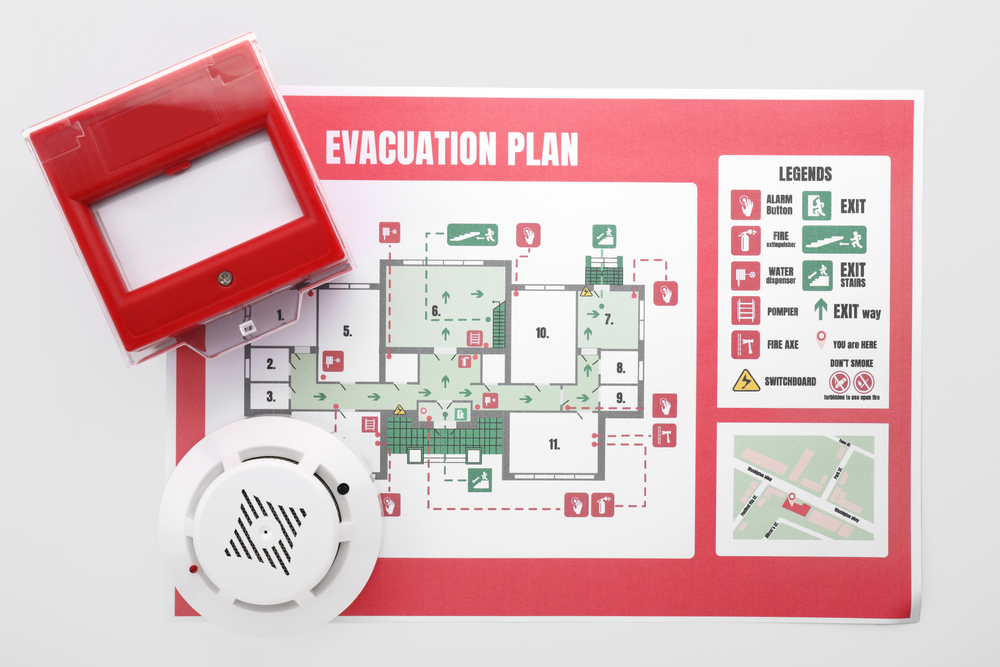
  • Develop an evacuation plan
  • Train your staff in fire safety procedures
  • Install the appropriate signage
  • Ensure you have working smoke alarms and fire-fighting equipment
  • Regularly test and inspect your systems
  • Keep up to date with changes in legislation.

You may feel like this is a lot to take on, and you’d be right. It is a lot to take on, which is why many businesses outsource their fire safety to specialist providers, like our professional team here at Safe and Sound Fire Limited.

We provide a complete fire safety service where we audit and provide comprehensive safety services for an affordable price, including all signage, equipment, lighting, protection, alarms, CCTV systems, and so much more.

If you’re looking to get your fire safety setup up to scratch, contact us today for a free consultation. We’d be more than happy to help get your business fire-safe and compliant with the law, and we look forward to hearing from you!

Fire safety for your business

When researching potential fire protection options for your business, you might have a few questions about what kind of fire detection devices or fire alarms your commercial premises require. These fire safety FAQs answer some common questions.


What are the leading causes of fires?

The leading causes of fires in commercial property are heating equipment, cooking equipment, smoking materials, lighting and electrical equipment.

Knowing what may cause a fire in your premises is necessary to plan and install adequate means of fire detection, including appropriate smoke detectors, fire alarms, sprinkles, and extinguishes.


Why do you need to know the types of fire and use the appropriate fire extinguishers?


The fire type depends on the kind of fuel it burns. It is vital to know that different extinguishers tackle different classes of fire. An incorrect combination may turn lethal and bring even more damage to your property.


  • Class These fires involve solid materials: wood, paper, textiles, cloth or plastic. The ideal extinguishing substances to handle this fire are ABC powder-based and

water-based extinguishers.


  • Class B fires involve such flammable liquids as petrol, diesel or You can use CO2, Dry Powder, and foam based fire extinguishers to deal with Class B fires.


  • Class C fires involve gasses. For this type of fire, go for either multi-purpose ABC dry powder or gaseous fire extinguishers.


  • Class Such fires involve combustible metals. Make sure to use powder-based, CO2-based, water mist based and clean gas-based fire extinguishers to avoid the danger of electrocution.


  • Class E fires arise from electrical Agents that can combat class E fires are water mist and foam mist based fire extinguishers.


Is there a legal requirement for a business owner to have fire protection equipment on the commercial property?

The primary legislation regulating fire detection equipment in public buildings is the Fire Services Act. This document places a responsibility on every person who has control over the premises to provide fire safety and appropriate fire-fighting equipment.


Other documents placing a duty of care on business owners are The Safety, Health and Welfare Act at Work (2007) and the Safety, Health and Welfare Act (2005).


Moreover, specific guides and codes of practice relating to fire detection differ depending on the business type.


What do business owners need to do to protect their commercial property against the risk of fire?


  • Employers need to take these steps to minimise the risk of fire incidents and penalties for non-compliance:


  • Regularly perform a fire risk assessment, maintain and service the existing fire protection system


  • Separate sources of fuel from sources of ignition


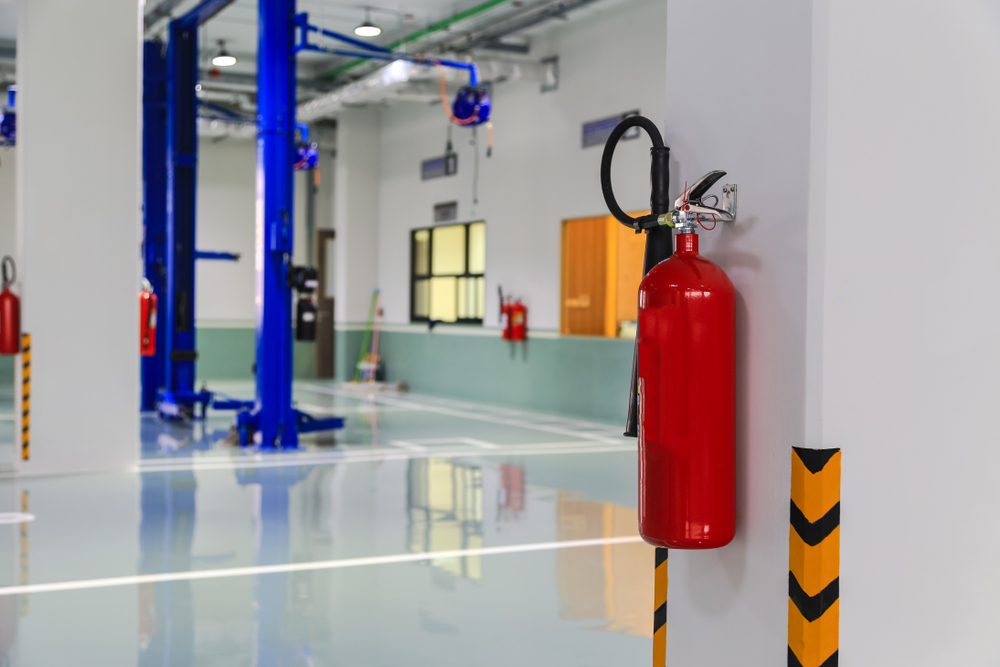
  • Make certain that fire-fighting equipment such as fire alarms, smoke detectors and extinguishers are in good working order


  • Provide employees with appropriate training


How often should the fire protection equipment be inspected?

It is necessary to schedule maintenance services for your fire alarm equipment once a year. Annual professional testing helps catch and correct problems with your fire detection system. Keep records of these visits for auditing purposes to prove compliance with the fire safety act. You should as well perform simple testing between yearly professional visits to ensure the fire safety equipment is operating correctly:


  • Check the alarm panel operation daily.
  • Test an operating point of line switch to sound the alarm weekly.


  • Quarterly and annually a competent person, a manufacturer or a supplier should carry out test

New data law February 2022


Welcome to Safe & Sound Fire Limited and our data protection blog, covering the key developments in data protection law from February 2022. Our website is complete GDPR secure and ensures we follow the below guidelines on processing any personal data.


New Data Act proposed by EU


On 23 February 2022, the European Commission (“EC”) published its proposal for a Data Act (the “Act”) which aims to improve trust in data sharing and facilitate the sharing of industrial data between connected devices and devices on the Internet of Things (“IoT”). The EC hopes that the Act will help unlock the growth potential of the data economy (estimated by the EC to be worth €270 billion by 2028). The act is part of a suite of measures within the European Strategy for Data following the political agreement on the European Data Governance Act. The Act is not focussed on personal data, but the data generated by devices on the IoT and other connected devices which, currently, generally pass to the manufacturer.


As well as applying to manufacturers, providers and users of connected products and services placed on the market in the European Union, if adopted by EU lawmakers, the Act will also apply to data holders making data available to data recipients, public bodies, and data processors, where relevant.

The key proposals of interest in the Act are:


  • Granting greater access to data manufactured through connected devices by the owners and users of the devices. That includes permitting the sharing of that data to other services, including analytics.


  • Certain contractual terms will be automatically deemed unfair when unilaterally imposed on micro businesses or SMEs, meaning that such terms will not be binding. As to whether this imposes unreasonably upon B2B contractual freedom, recital (52) of the Act explains that only terms unilaterally imposed on certain businesses (micro / SME) will be considered subject to this unfairness term and then only where negotiation has been attempted by the receiving party. This may mean manufacturing parties will have to consider the fairness of their standard terms and conditions where negotiations are requested by purchasers.


  • The Act provides for interoperability standards to enable the re-use of data (including the introduction of the “FRAND” standard, which means where data holders are obliged to make data available, they must do so under fair, reasonable and non-discriminatory (FRAND) terms). The intention is to address the lack of harmonised standards by using minimum essential requirements for smart contracts and provides for further legislation to be provided which will implement common specifications.


  • The Act extends the requirement to use safeguards against unlawful data transfers, outside of the European Economic Area, found within the General Data Protection Regulation (“GDPR”) in terms of personal data to non-personal data.


The Act will be monitored by a competent authority within each member state and shall apply from 12 months after the date of entry into force of the Act, providing it passes the legislative processes within the EU.

ICO Publishes third chapter of anonymisation and pseudonymisation guidance for consultation

The ICO has released the third chapter of its extended consultation into draft guidance on anonymisation, pseudonymisation and privacy enhancing technologies (the “Draft Guidance”). The third chapter of the Draft Guidance focuses on pseudonymisation and explains the key differences compared to anonymisation.


“Pseudonymisation” is defined in the data protection legislation in the UK as processing personal data in a way that it can no longer be attributed to a specific data subject without additional information. These two pieces of information (the processed data and the additional information), when combined, can reconstruct the data, but each has meaning only in combination with the other. That legislation adds that “unauthorised” reversal (i.e. the recombination of the two pieces of information) can specifically result in harm and so the risk of that harm must be mitigated appropriately.


The Draft Guidance also confirms that pseudonymised data is still personal data as it can identify a living individual, albeit indirectly. However, it does suggest that the pseudonymised data may no longer be personal data once transferred to another organisation without the key to re-identifying the individuals involved.


According to the Draft Guidance, the benefits of pseudonymisation are:


  • Risk reduction regarding individual’s rights and enhancing security. The technique limits the level of identifiability in the data to what is necessary and, in turn, reduces the amount of personal data shared. The Draft Guidance mentions the exemption to breach reporting to affected data subjects, under Article 34 UK GDPR, and says that pseudonymisation can form part of the broad technical and organisational measures which, if in place, may permit a data controller to avoid reporting a breach to affected individuals;


  • Supporting re-use of personal data, as a safeguard for the rights and freedoms of the data subjects;


  • Supporting overall compliance; and


  • Building trust and confidence in an organisation’s data processing.


The Draft Guidance also explains how an organisation should approach pseudonymisation: from defining goals and risks to techniques and evaluating outcomes. The consultation is open until 16 September and can be accessed here.

EDPB reviews use of cloud by public sector


The European Data Protection Board (“EDPB”) has begun its first action under the Coordinated Enforcement Framework by launching a review into the use of cloud-based services by the public sector (the “Review”). The Review will cover over 80 public bodies which will be contacted by their local Supervisory Authority to assess compliance with the data protection legislation. The Review does not eliminate individual investigations, and ongoing probes are not necessarily brought within the scope of the action. 


However, it does mean that targeted investigations currently being carried out by Supervisory Authorities into affected areas are supplemented. One of the key concerns of the EDPB is data transfers out of the EU, in particular to large cloud suppliers in the US following the ruling in Data Protection Commissioner v Facebook Ireland Limited & Maximillian Schrems (Case C-311/18). The French data protection authority, the CNIL, has added to the point by suggesting that these cloud-based services have become essential technologies and so warrant additional attention. 


The results, as well as any supervision and enforcement actions, will, although aggregated, give deep insight into the topic and allow follow up at the EU-level. That insight is intended to streamline enforcement and cooperation among supervisory authorities. It also aims to “foster best practices to ensure adequate protection of personal data” by public sector bodies across the EU. There is expected to be a state of play report published by the EDPB updating on the Review before the end of this year. The EDPB’s press release can be found here.

EDPB issues guidance on breach notifications

The EDPB has published guidelines on “Examples regarding Personal Data Breach Notification” (the “Guidelines”). The Guidelines set out a number of example scenarios where it would be necessary for data controllers to provide a notification to a supervisory authority under Article 33(1) of the GPDR and, where relevant, to data subjects under Article 34(1) of the GDPR. The examples in the Guidelines are from practice and are under common categories of breaches (e.g. ransomware attacks, human error and lost or stolen devices), with associated mitigation and preventative steps for each scenario along with notification obligations.

The Guidelines categorises data breaches according to the three key information security principles of confidentiality, integrity and availability of data and explores how a breach occurs in each of these:

  • “Confidentiality breach”: where there is an unauthorised or accidental disclosure of, or access to, personal data.
  • “Integrity breach”: where there is an unauthorised or accidental alteration of personal data.
  • “Availability breach”: where there is an accidental or unauthorised loss of access to, or destruction of, personal data.

Although the last category is typically the least harmful to data subjects, the Guidelines identify examples where it could result in a notification to a supervisory authority, for instance, where a health authority no longer has access to patient notes leading to a delay in treatment.

The Guidelines note that a variety of factors can be relevant to establishing when a risk is “high” to individuals but do not repeat the guidance on “likely to result in high risk” processing operations (further to the Article 29 Working Party Guidelines on Data Protection Impact Assessments here).


Instead, additional risk factors are considered such as: (i) personal data is exfiltrated but not fully backed up, rendering data not recoverable, and therefore unavailable; (ii) personal data is not secured using state-of-the-art encryption and is therefore readily available; and (iii) personal data is not maintained and compromised data cannot be effectively recovered.


A key emphasis in the Guidelines is on accountability; encouraging every controller and processor to have plans and procedures in place for handling eventual data breaches. This includes recommendations for regular training and awareness and ensuring that organisations have clear reporting lines and persons responsible for breach notification and data recovery processes.


The Guidelines are available to review here.


The Complete Guide To Staff Fire Safety Training

When it comes to ensuring that your staff are well-versed in staying safe in the workplace, it’s about a lot more than simply knowing where to find the nearest fire exit.


Depending on the nature of your business, there are likely to be several different areas of health and safety that you’ll need to familiarise your team with via well-curated staff training.


So, what different training sessions should you be running within your workplace – and how should you go about it? Here’s our guide to staff safety training.


Identify The Training Needed


The first step in ensuring that all of your staff are fully trained to stay safe in the workplace is identifying what exactly that training must consist of. For example, if you’re the leader of a small office team in a ground floor office unit, you likely need little more than a simple but sufficient fire evacuation plan to keep your staff safe.


However, if you’re the general manager of a tourist attraction with hundreds of employees and thousands of guests, your fire safety training procedures will need to be a lot more detailed and thorough.


Once you have identified how extensive your training needs to be, you can get to work on deciding what exactly your training sessions will consist of.


Decide How To Carry Out Training


How will you deliver your training to your staff?


Fire safety training is incredibly important, so it requires far more than simply delivering a resource to your staff members and instructing them to go through it for themselves to familiarise themselves with the contents. The responsibility to keep your staff safe ultimately falls on you, the employer.


So, what’s the best and most effective way to deliver training? With a dedicated training session, complete with digital and physical resources and combining both instructional speaking and physical drills.


For the sake of ensuring that everyone receives the same quality of training and that any questions can be answered, we’d recommend delivering training sessions to no more than 30 staff members at a time. If your workplace is made up of far more employees, splitting these employees into groups would be advised.


Necessary Resources


In order to make sure that everyone’s different learning styles are catered for, a combination of both physical, visual and verbal training should be delivered.


Verbal training is the spoken instruction and teaching that you – or your business’ selected fire safety representative – will deliver to the team. This can be supported by visual training in the form of a digital presentation and accompanying paper handouts.


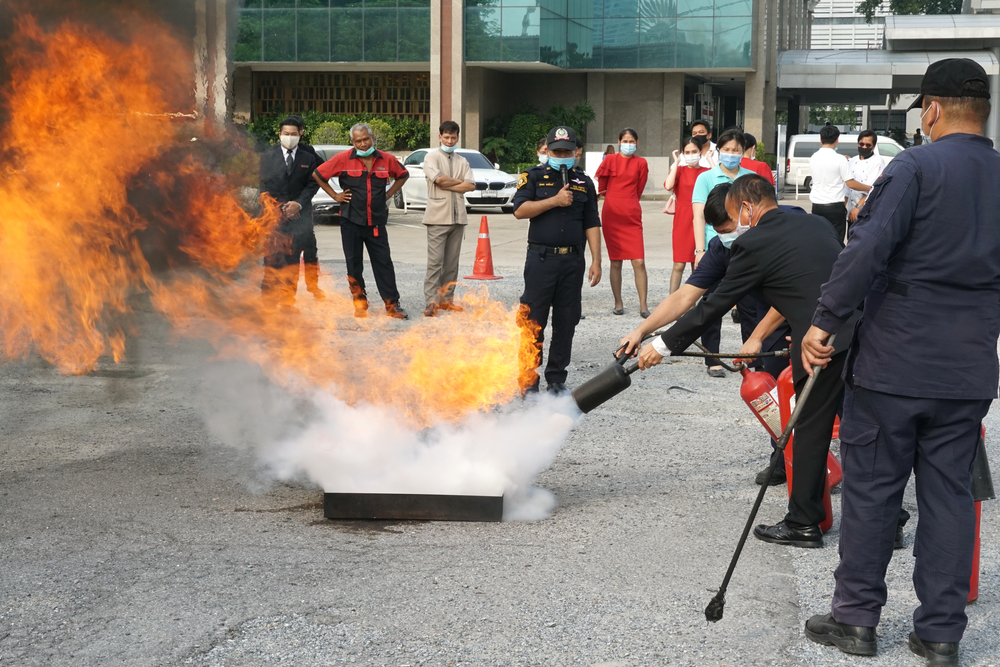
Physical training covers the fire drill – an incredibly important aspect of the training, as this will allow you to see your staff’s understanding of their fire safety training in practice.


Your visual handouts should be understandable on their own merit, so that staff are able to return to these for a reminder of their training if this is needed. Handouts should include both text and graphics, including an illustration featuring fire exits and exit routes, as well as a reminder of staff evacuation meeting points.


Assessments


You may choose to ensure that the training has been well received by staff by concluding your training with not just a fire drill, but a written assessment, too.


In this case, staff should be quizzed on factors such as where the fire extinguishers within your workplace can be found, what to do in the event of a fire, the identities of your workplace’s fire marshals, etc.


This is especially useful for checking that all staff are happy with the training, as test papers will give you a chance to check where your training can be improved next time.


Maintaining Standards


In order to maintain safety standards within your workplace, it’s important that you deliver this training no less than once a year, as well as ensuring that all new staff members receive the same training as their co-workers after joining the company.


Call On Safe & Sound

If you’d rather hand over the training of your staff to a professional, we’re happy to deliver such training sessions at Safe & Sound Ltd.


We believe that everyone has the right to feel safe within the workplace, with staff training being a huge aspect of ensuring this standard. When hired, we oversee that fire-prevention procedures are established in your workplace; fire suppression systems are inspected regularly and maintained; supervisors are trained to use fire extinguishers for incipient fires, and employees are trained to use evacuation routes and procedures. Supervisors are responsible for monitoring the use of flammable materials; training employees in safe storage, use and handling of flammables; and ensuring that storage area for flammables are adequately maintained.


If you’d like to call on Safe & Sound Ltd. For keeping your workplace as safe as possible, contact us today.

Safety And Security Measures That Every Business Needs

One of the many crucial aspects involved in running a successful business is ensuring that your business and premises are always safe and secure.


For this to be the case, there are certain measures that every business owner should have in place, whether it’s a case of training or investing in some important equipment.


If you’re a new business owner and are looking to ensure that you safety and security measures are up to scratch or simply an established business owner looking to keep these measures updated, here’s our list of safety and security measures that every business needs.


CCTV Security System


Whatever the nature of your business, it’s important to protect your premises with a CCTV security system.


Not only can CCTV assist the authorities in their enquiries in the event that the security of your business is breeched, but having an active CCTV system around the interior and exterior of your building will act as a deterrent against those looking to target your premises. Furthermore, CCTV can be a great way to keep eyes on the different areas of your building if your premises is particularly large, allowing you to ensure that everything is running as it should.


There are a wide range of CCTV systems on the market, all varying in make, model and complexity. Whichever system you choose, Safe & Sound can handle the installation of your CCTV system quickly and professionally, allowing you peace of mind.


Intruder Alarms


You can’t be at your business premises 24 hours a day, 7 days a week, but you certainly need a way to ensure its security overnight.


Once staff have left for the day, a locked door isn’t always enough to keep out individuals looking to target your building. In the event that anyone was to gain access, you certainly don’t want to be oblivious until it’s too late.


In order to have the peace of mind that your building is safe and secure, investing in a high-quality intruder alarm is crucial. Doing so will allow you to be alerted if the security of your building is compromised at any time.


Fire Alarm Systems


Depending on the size of your business building, your fire alarm system needs could be a little more complex than a traditional smoke detector system could handle.


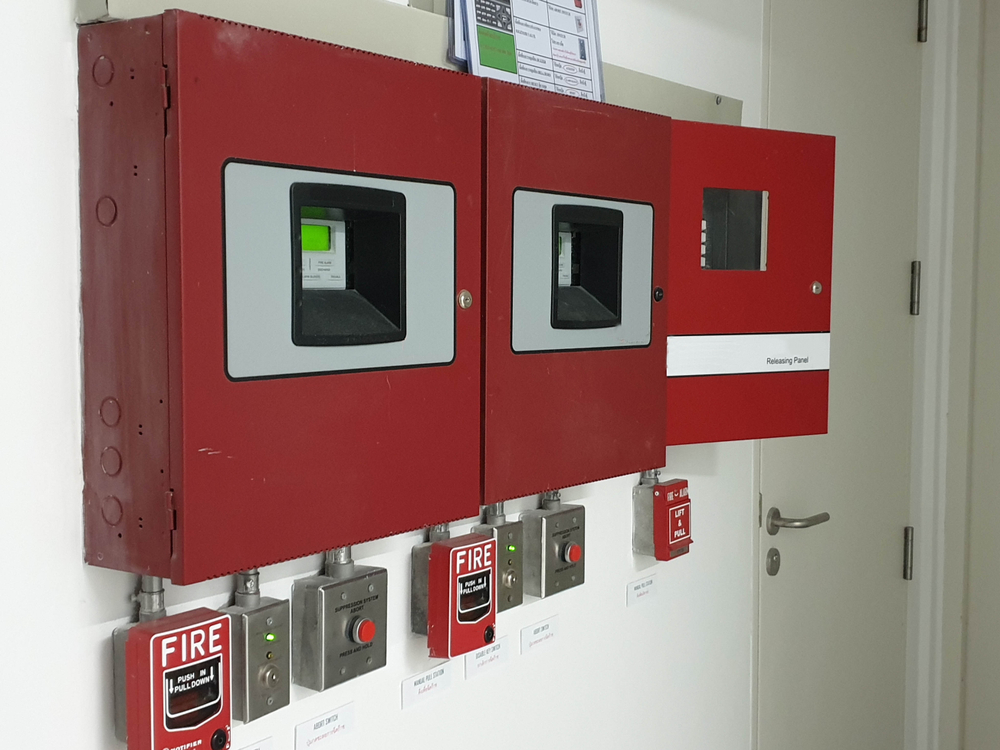
Businesses should have industrial fire alarm systems, with detectors covering each area of your business building. You’ll also need ‘Break Glass’ fire alarm call points and – depending on the nature of your building – a working sprinkler system.


It’s a lot to think about and it’s easy to miss something out. Here at Safe & Sound, however, we know exactly what’s needed to keep your business safe in the rare event that a fire should break out.


Passive Fire Protection


Sometimes a fire alarm system isn’t enough.


Should a part of your business premises catch fire, the first priority is, of course, to ensure that everybody inside is able to exit the building safely. However, once your building has been evacuated, the fire will continue to spread – once you gain entry again, you may find that the effects of the fire on the building itself have been devastating.


Passive fire protection such as fire doors and fire curtains will allow you to control the spread of a fire around your building, making it an essential measure against fire in large building. Not only will passive fire protection make it easier and safer for those inside to evacuate, but it will also prevent the fire from spreading wildly across the building, limiting the damage that may be done to the building itself.


Fire Signage


It’s natural for those inside a building to panic in the event that a fire breaks out inside – but panic could play havoc in their attempts to exit the building as safely and as calmly as they can.


Fire signage is there to assist those within the building in exiting the building as quickly as possible, directing them to the nearest exits and ensuring that everyone takes the correct and safest route out onto the nearest fire exit.

Staff Training


Safety and security equipment aside, ensuring that any emergency is dealt with as efficiently as possible begins with providing your staff with the correct training.


Informative and thorough staff training will equip your staff with the knowledge and confidence to deal with a number of workplace emergencies, specifically in the event that a fire does break out on the premises.


We’d recommend that training is given to all staff who begin working at your business and that all staff receive a refresher training course at least once a year to maintain their knowledge of emergency procedures.


Call On Us


Here at Safe & Sound, we’re able to assist business owners in equipping their business with all of the above security measures – and more.


Whether it’s investing in CCTV, intruder alarms or allowing us to deliver comprehensive staff training sessions, there are a number of ways that Safe & Sound could help you to keep your business running safely, smoothly and securely.


If you’re in or around Glasgow and would like more information on these or any other services offered here at Safe & Sound, get in touch with us today.

How To Put Together A Fire Evacuation Plan For Your Business

As a business owner, it’s essential that you and your staff are on the same page when it comes to what happens in the event of a fire in the workplace.


In order to be able to communicate the procedures effectively, all business owners must work to put together a detailed and thorough plan of what all employees are expected to do should a fire ever occur.


Putting together a detailed and well thought-out fire evacuation plan for your business is crucial to ensuring the safety of yourself, your team and any visitors within the building, so it should be at the top of your priority list. However, there’s plenty to cover and lots at stake, so we can understand how it may prove a little overwhelming.


To help you keep your employees, visitors and business protected, here’s our guide to putting together a fire evacuation plan for your business.


What Should Be Included In A Fire Evacuation Plan?


At the very least, your fire evacuation plan should cover the following:


  • Details of where your building’s fire call points are located, so that employees understand how to quickly raise the alarm in the event that they discover a fire in the building


  • Procedure for identifying and communicating false alarms


  • A clear directive of who is responsible for calling 999 and alerting emergency services


  • Clear information identifying the closest escape routes to different areas of the building, ensuring each is a suitable escape route and leads to a designated fire exit


  • Locations of the fire exit doors around the building (the routes to these doors should always be indicated using clear signage)


  • Evacuation procedures for staff or visitors who may not be able to evacuate as quickly, such as wheelchair users, the elderly and the visually impaired – all commercial environments with stairs inside should be equipped with EvacChairs.


  • A designated meeting point for all staff


If you come to make your plan and find that you are unable to cover any of these bases – for example, you are unsure of the most efficient escape routes or have not appointed fire marshals – then you must make these changes before you continue.


Further Points For Consideration


Depending on the size and nature of your business, there may be more detail or further information needed in your fire procedure plan in order to make sure it’s as thorough as possible.


Further points for consideration include:


  • What an employee is expected to do on discovering a fire or being alerted to a fire by a customer


  • Where extinguishers are located within the building, should an employee feel confident that the fire is small enough to be extinguished this way


  • How to communicate the situation to customers or visitors


  • A clear directive of what is expected of staff members in the event of a fire – fire marshals, roll calls, etc.


Again, these will vary depending on whether or not your business serves members of the public or is simply a place of work.


How Should I Communicate My Completed Plan To My Staff?


Fire evacuation plans should be communicated thoroughly to staff as a part of their fire safety training, which all business owners must ensure is carried out for all employees at least once each year, with updated training given in the event that there are any changes.


Due to the importance of all staff understanding the fire evacuation plan, we recommend that all staff must read the plan for themselves and be asked to confirm clearly that they understand the procedures. This is best done by having staff sign a document to declare their understanding of the procedures and that they have received a sufficient level of training to be able to follow the plan correctly.


Your plan should also be easy for staff to access in case they need to be reminded of the procedures. We recommend that a plan is kept somewhere safe or shared digitally to employees so that it can be available to staff who express a need to re-read it. You may also hand out physical copies to your team, depending on your number of employees.


How Often Do I Need To Update My Fire Evacuation Plan?


Your fire evacuation plan should be regularly updated in accordance with changes at your business.


For example, if a designated fire marshal leaves their position at your workplace, a new one must be appointed in their place. If a designated escape route is no longer available to use, it must be removed from your plan.


Again, these changes should always be communicated to your employees when they happen.


How Can I Get Help In Putting Together My Business’ Emergency Fire Procedures?


At Safe & Sound, we do everything that we can to assist businesses across Glasgow and Edinburgh in ensuring that their businesses are fully prepared to deal with a workplace fire.


This includes offering staff training, the installation of passive fire protection, alarms and fire extinguishers, carrying out thorough fire safety risk assessments and much more.


If you would like our assistance in ensuring that your business is fire-safe, get in touch today and ask for more information about our services.


A Fire Alarm System Is Crucial To Your Business. Here’s Why!

As a business owner, you want to do everything that you can to protect your property, your staff, your customers and your livelihood and ensuring that your business is fully equipped with a high-quality, working fire alarm system is one very important part of this.


Perhaps you have an older fire alarm system that came with the building or are yet to run a full check on the working quality or your alarm system – or maybe you have yet to install one. In any case, you may be leaving your business and livelihood at risk.


Here are just a few reasons why a fire alarm system is crucial to your business.


Protect Your Customers


If your business is a public-facing one – such as a bar, cafe, restaurant, store, etc. – then it’s imperative that you have a working fire alarm system in order to keep members of the public safe while they visit.


In many retail and hospitality settings, sounds can be drowned out by the chatter of customers or music playing over the speaker system. If your fire alarm system isn’t up to date or working at its best capacity, can you really trust everyone to hear the alarm in the care of a fire?


If a fire were to break out during a busy period at your business – imagine a busy Friday evening in a restaurant or Saturday morning shoppers descending on a popular independent store – you would have to rely on the sound of your fire alarm system to ensure that all customers hear the warning and evacuate to safety.


As a business owner, it’s your responsibility to keep your customers safe – make sure that a faulty fire alarm doesn’t stop you from doing this.


Protect Your Team


No business can keep running without its team, working hard each day to keep things ticking over.


Whether your team are working at a desk, behind a bar or in a kitchen, they have plenty to be getting on with during the day and are unlikely to be aware of their surroundings at every second – if something was to happen, they would need to be alerted.


Not to mention that, in the event of a fire, your team will take on much of the responsibility of getting customers out to safety – ensure that they have the time to prepare and to do this by giving them the means to identify a risk as soon as there is one.


Everyone has the right to feel safe while they work and the minimum expectation of any team is that their employer will do what they can to keep them from harm while they work.


Protect Your Business Around The Clock


Fires don’t adhere to a schedule – they can break out at any time.


Almost a third of all workplace fires are started due to an electrical fault, something which could happen at any time of day or night. Once you have locked up and headed home for the evening, you probably aren’t worrying about a fire starting at your business, but if one were to break out due to an electrical fault, wouldn’t you want to know as soon as possible?


Not only is it important that you are able to alert authorities and have firefighters on the team quickly in order to limit the damage to your business, but a fire alarm system will alert those who may live or work in buildings in the immediate area, allowing all those inside to get to safety.


As a business owner, you’re never truly off the clock – but a high-quality fire alarm system will give you the peace of mind that at least one risk to your business is taken care of.


It’s The Law


According to UK Fire Safety Regulations, you are legally required to have a fire alarm system installed within your business if the business meets one or more of the following conditions:

  • The business property is large, multi-storey or includes multiple rooms (including floor-to-ceiling fitting rooms)
  • You store high-risk substances such as paint and chemicals anywhere on the premises
  • You undertake high-risk activities involving an open flame – cooking, for instance.
  • A fire could not be easily spotted if it broke out in any area of the property.


In the vast majority of cases, your business property will fall into at least one of these categories and is therefore legally required to be fitted with an appropriate alarm system.


You, the business owner, have a duty of care to have the necessary systems in place to protect your property, team and customers – and the law reflects this.


Need A Fire Alarm System Installed? Call On Us.


At Safe & Sound, we have over 40 years experience working in fire safety to keep customers, business owners and employees safe.


Whether you need your current fire alarm system checking or need an entirely new system installed, we have the skills and knowledge necessary to ensure that your business is fire-safe.


We believe that everyone deserves to feel safe from the risk of fire and put our customers at the centre of everything that we do. For more information on our company, our mission or our services, please feel free to get in touch – let’s keep you safe and sound.​

Fire Risk Assessments: Everything That You Need To Know

If you are the owner of a business with more than five employees, it’s your legal responsibility to ensure that you have a full fire safety risk assessment carried out on your business property and act on any concerns that come up during the process.


Risk assessments are there not just to identify any potential areas of higher risk where workplace fires are concerned, but also to give business owners the chance to fix fire risks where possibles and provide employees with the best possible fire safety training so that, should a workplace fire ever occur within the building, all employees know exactly what to do.


Here, we’ll go through the main things that you need to know as a business owner ahead of a risk assessment, including what areas will be covered, what information you will receive and how you can best act on it.


What Is A Risk Assessment?


A risk assessment is any document which is written to report any identified areas or problems which could lead to injury or fatality, give means of resolution to prevent these concerns from coming to fruition and to assess the overall level of risk involved.


A general risk assessment gives an overview of every risk within a workplace, whether it’s risks taken working from height, working with hot cooking equipment, operating heavy machinery, etc.


However, a fire safety-specific risk assessment is there to place the sole focus on the risks in relation to potential workplace fire scenarios and to highlight where measures can be taken to resolve concerns.


What Will A Risk Assessment Cover?


Risk assessments are there to keep you and your employees as safe as possible, so they are incredibly in-depth and look to cover every potential scenario, no matter how unlikely it may seem.


If you’re unsure whether or not a particular potential risk needs to be included in your risk assessment, remember that it’s always best to overestimate the risk than to ignore it completely. As the old saying goes, it’s better to be safe than sorry.


When Filling In A Fire Safety Risk Assessment, Think Of The Five Key Steps…


Step 1: Identify All Fire Hazards


There are two questions that you’ll need to ask yourself when identifying the fire hazards to cover in your risk assessments in order to ensure that you do not leave anything out:

  • Could this start a fire?
  • Could this burn?


Ask yourself these questions for every item in the area that you are assessing at the time.


Items that could potentially start a fire include heaters, lighting, electrical equipment, anything which uses a naked flame, hot processes such as wielding or grinding, cigarettes, matches and anything which causes sparks to be produced.


Items that may potentially burn include anything made from wood, paper, foam, plastic and rubber, clothing, furniture and rubbish, as well as more obvious flammable items such as fuels and chemicals.


Ensure that you note down each and everything that you identify in response to these questions.


Step 2: Identify The People At Risk


Of course, in the event that a fire does break out, everyone in the building is at risk. However, this section asks you to consider who could be the most at risk in any given area in the event that a fire does break out.


For example, staff who work in an area where there are an increased number of fire risks, staff or customers who are present in areas that are the furthest from their nearest fire exit, staff and customers who on a higher floor within the building, disabled staff and customers, elderly staff and customers, etc.


Essentially, if someone’s position in the building means that they are in an area where a fire is more likely to break out or an area where they will not be able to leave the building as easily, they are classed as ‘at risk’.


Step 3: Evaluate And Act


This may be the most time consuming section, as this part of the risk assessment asks you to act on the risks in order to reduce them or better prepare for them.


When completing this section, ask yourself:

  • Have you assessed the risks of a fire in your workplace?
  • Have you assessed the risks to staff and visitors?
  • Have you kept all sources of fuel and heat/sparks apart?
  • Have you protected your premises from both accidental fires and arson?
  • How can you make sure everyone is safe during a fire?
  • Will you know that there is a fire? Do you have a plan to warn others?
  • Who will make sure that everyone gets out?
  • Who will call the fire service?
  • Could you put out a small fire and stop it spreading?
  • Have you planned an escape route?
  • Have you made sure that people will be able to find their way out at night if necessary?
  • Does all your safety equipment work and do staff know how to use it?


Step 4: Record, Plan & Train


This section asks you to keep a record of any fire hazards and every measure that you have taken to control or remove them, plan how you will prevent a fire and how you will keep people safe in the case that one should occur and train your staff for their roles and escape plan in the event of a fire.


This is where Safe & Sound may be able to help you a great deal – we have years of knowledge and expertise surrounding both fire risk assessments and how to best act on them.


If you need help reducing your risks, ensuring that nothing has been missed out, as well as training your staff on their roles and behaviour in the event of a fire, we are confident that we can help you to get everything in place.


Step 5: Review


This stage is all about reviewing your risk assessment over time to ensure that it stays relevant to each and every part of your premises. If an area is updated in any way, with new furniture, design, purpose, etc. or your escape route needs to change for any reason, you must continue to update the risk assessment and retrain staff.


The largest task is getting your initial risk assessment together to a high standard – a process that we can help you with here at Safe & Sound. After that, it’s all about remaining vigilant and keeping your risk assessment as solid as you possibly can.

Posts navigation